
Hotel Lobby Furniture Trends 2026: Central Asia
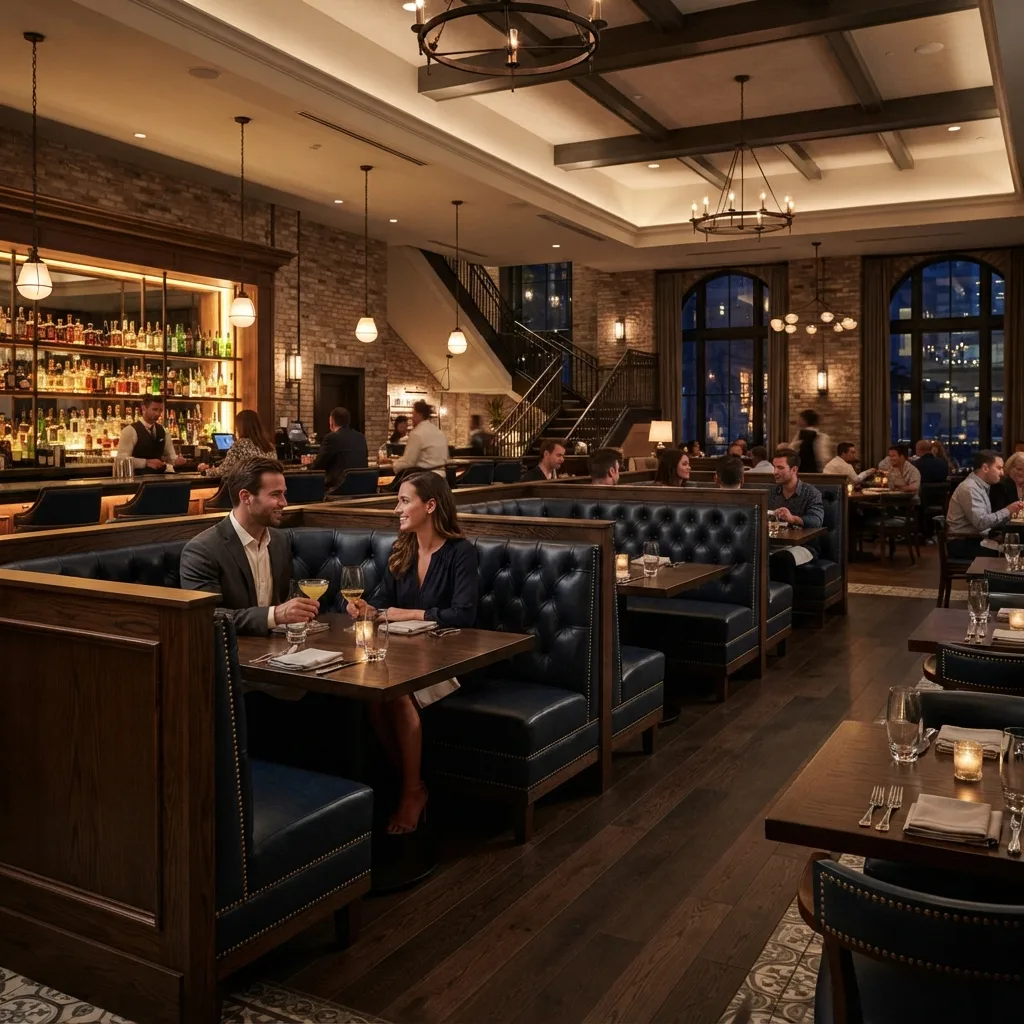
Hotel lobby furniture in 2026 is a warm, weighty luxury direction combining statement marble and solid-wood pieces, brass accents and contract-grade durability.
- The 2026 trend is weight, not gloss: oversized marble or wood tables, deep upholstered modules and brass accents.
- Lobby furniture is engineered for 5,000+ guests a month — demand documented frame specs, abrasion class and a written 24–36 month warranty.
- Kazakhstan buys restrained quiet luxury; Uzbekistan buys marble-and-carving grandeur — both are moving away from thin minimalism.
What defines hotel lobby furniture trends in 2026?
The defining hotel lobby trend for 2026 in Central Asia is warm, statement-led luxury built on contract-grade durability: oversized solid-wood tables, marble centerpieces, brass accents and deep earth-tone seating, all engineered to survive thousands of guests a month. Design now starts from wear data, not mood boards.
The lobby has also become a working space. Guests check in on their phones and stay in the lobby to work and meet, so furniture plans now pair a statement arrival zone with clusters of work-friendly tables and power sockets — one more reason every piece must be genuinely commercial grade.
Hymebel has manufactured on its 300,000 m² own factory since 1996 and completed 1,000+ projects across 50+ countries, including the Hilton Tashkent delivery. This review reads 2026 trends through manufacturing: what looks good and what lasts. Our hotel furniture programme covers lobbies, restaurants, guestrooms and spa areas.
The practical result for buyers: lobby budgets in 2026 concentrate spend on fewer, heavier pieces. A typical brief now specifies two or three anchor elements — a statement table, a reception desk, a feature seating group — and builds the rest of the floor around them with mid-cost durable fillers, instead of filling the space uniformly with interchangeable items.
Design directions for 2026
Three design lines dominate briefs. First, oversized centerpieces: lobby tables in solid wood or marble at 1,500–2,000 mm length anchor the arrival experience and photograph as the hotel's signature. Second, sculptural but heavy seating — low, deep upholstered modules that look residential yet sit on contract frames.
Third, material richness: brushed brass trims, carved wood detailing that references regional craft, and layered lighting over warm stone floors. The palette across Central Asia is distinctly earthen — sand, camel, walnut, deep green — with darker accents in executive areas.
What is fading: thin-legged minimalism and glossy white surfaces, which read cold in this region and show every scuff. Buyers are moving away from fragile looks toward furniture that signals weight, warmth and permanence.
Acoustics are entering the furniture conversation as well. Hard stone floors and high ceilings amplify every conversation, so upholstered high-back modules, felt-lined screens and soft corner groupings now appear in the same brief as the marble. Comfort is being engineered, not assumed — and that engineering is documented in drawings, not promised in conversation.
Durability: specifying for 5,000 guests a month
A lobby is measured in contacts per day: suitcase strikes, trolley bumps, coffee cups, cleaning chemicals. Specify accordingly — solid wood and veneer with robust edge protection, marble with sealed finishes, leather or contract-rated high-abrasion fabrics, and frames of steel or solid wood rather than light particleboard.
Ask suppliers for the numbers behind the claims: hardware cycle tests, abrasion test results for fabrics, and a written warranty of 24–36 months on structures. A serious factory answers with documents; a trading office answers with adjectives.
Make maintenance part of the spec: agree replacement availability for topcloths and cushions, keep one spare set per ten seating units, and choose finishes that tolerate daily cleaning with commercial agents. These decisions cost nothing at order stage and save years of downtime.
Finally, think in lifecycle terms: a lobby that is re-upholstered and refinished every five to seven years keeps its opening-day look at a fraction of replacement cost. Factories that keep production records make that possible — ask whether yours does before signing, and include the availability of replacement topcloths in the contract rather than hoping for goodwill later.
Local aesthetics: Kazakhstan and Uzbekistan
Kazakh hotel briefs lean toward quiet luxury: restrained forms, solid wood and leather, expansive earth-tone palettes and heavier proportions that suit steppe-scale interiors. The lobby should feel grounded and generous rather than decorative.
Uzbek briefs favor grandeur: large marble dining and lobby tables, carved and turned wood details, brass inlays and richer contrast — furniture that announces hospitality the moment a guest walks in. Both markets reward authentic regional craft over borrowed metropolitan styles.
One specification note: avoid ultra-slim Italian-minimal profiles in high-traffic zones. They photograph beautifully but fail practically in lobbies; the regional preference is furniture with visual mass and honest construction. Projects benchmarked against international brands, such as our Hilton Tashkent delivery, follow exactly this balance.
Build a 2026 lobby that lasts
Send your lobby dimensions, seating count and opening date to our project team — we return a costed FF&E proposal, the 30–45 day production window and freight by rail (9–10 days to Tashkent) or truck (5–7 days). WhatsApp +86 18038813653 · z@hysdfurniture.com.
Hymebel, part of Hongye Furniture Group, has completed 1,000+ projects across 50+ countries since 1996, including hotel FF&E at the level of Hilton Tashkent. Tell us the concept; we will tell you honestly what will survive the floor.
| Material | Why lobbies use it | Durability note |
|---|---|---|
| Solid wood | Warmth and regional craft feel | Withstands refinishing; choose thick edge protection |
| Marble | Statement centerpieces | Seal annually; tolerates cleaning agents |
| Brass accents | Signature detail, patina over time | Brushed finishes hide wear best |
| Leather | Executive and lounge seating | Ages gracefully; demand abrasion-rated hides |
| Performance fabric | High-traffic seating clusters | Contract abrasion rating; removable covers |
Frequently asked questions
What materials last longest in a hotel lobby?
Solid wood with thick edge protection, sealed marble, brushed brass, genuine leather and contract-rated performance fabrics last longest. The frame matters as much as the surface: steel or solid-wood frames survive suitcase strikes and daily cleaning that break light particleboard furniture within a single season.
How long does lobby FF&E production take?
Production runs 30–45 days from drawing approval for a project-sized order. Freight follows by truck in 5–7 days or by rail to Tashkent in 9–10 days, so most lobbies plan roughly two to three months from final drawings to installation.
Can you produce a lobby to our designer's concept?
Yes. Hymebel manufactures to designer drawings and approved samples: the concept and materials are fixed in a physical sample that becomes the contractual quality reference. Dimensions, finishes and hardware are confirmed in writing before production starts. International-brand hotel projects, such as our Hilton Tashkent delivery, were executed exactly this way.
Is there a minimum order for hotel furniture?
There is no fixed minimum for a hotel project: pricing is based on the room and area list, so even a lobby refresh of 30–50 pieces is quoted individually. Larger orders gain efficiency in production and freight, which the quotation shows transparently.
More articles
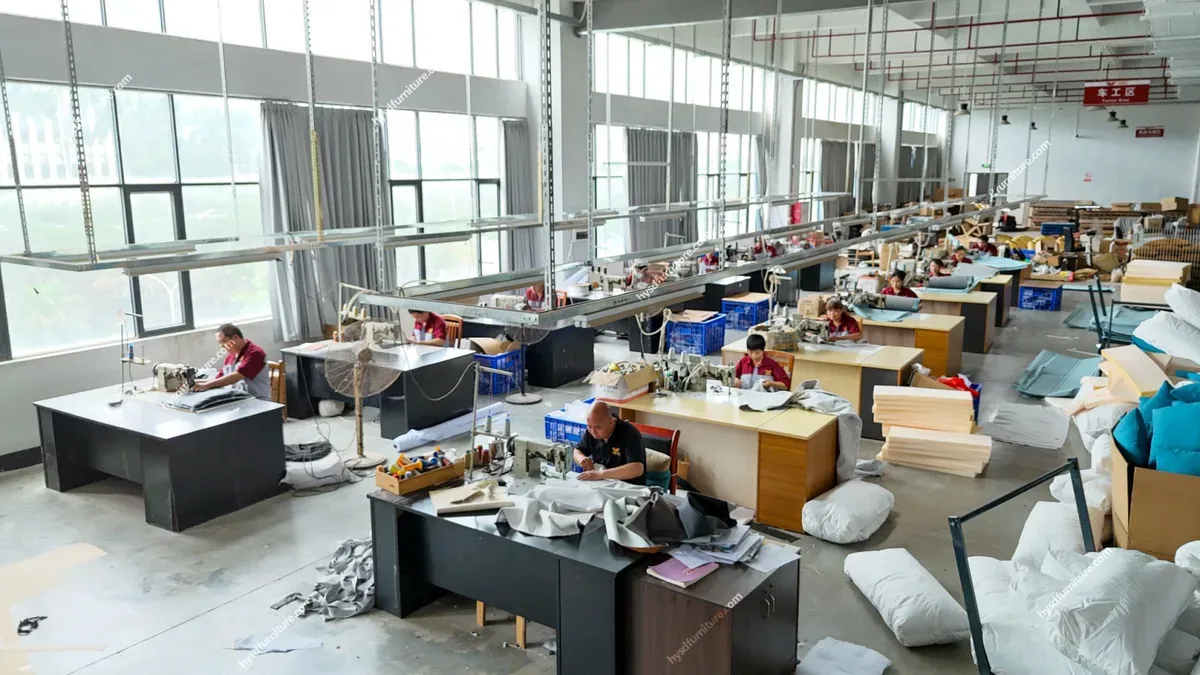
How MOQ forms at a Chinese furniture factory, what drives the unit price, and how rail and sea freight shape landed cost — a plain guide for importers.
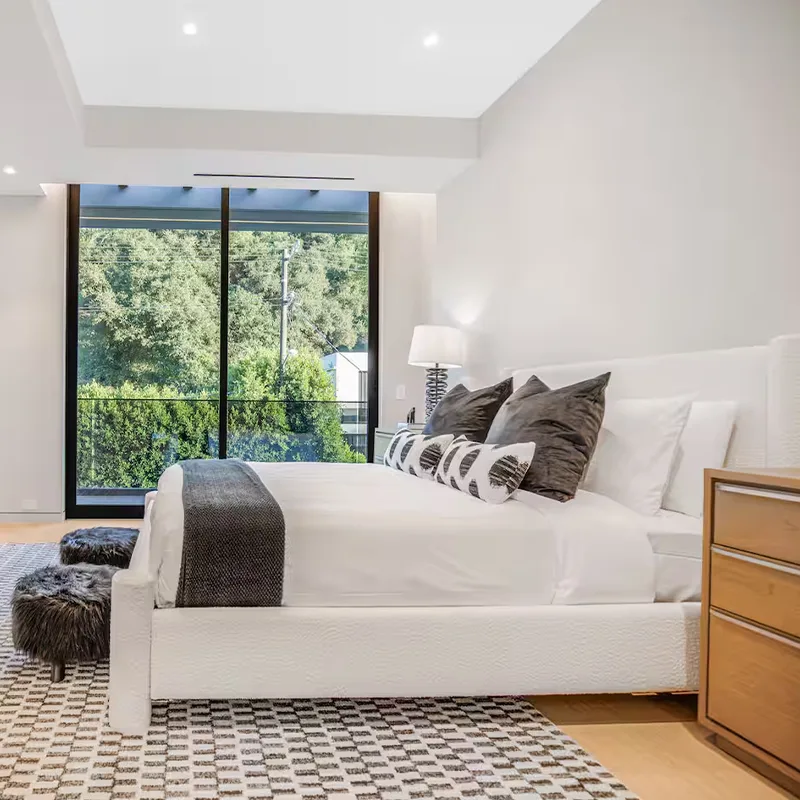
Solid wood or veneer for Central Asia's dry continental climate? Lifespan, maintenance and price compared, plus the hybrid build we recommend.
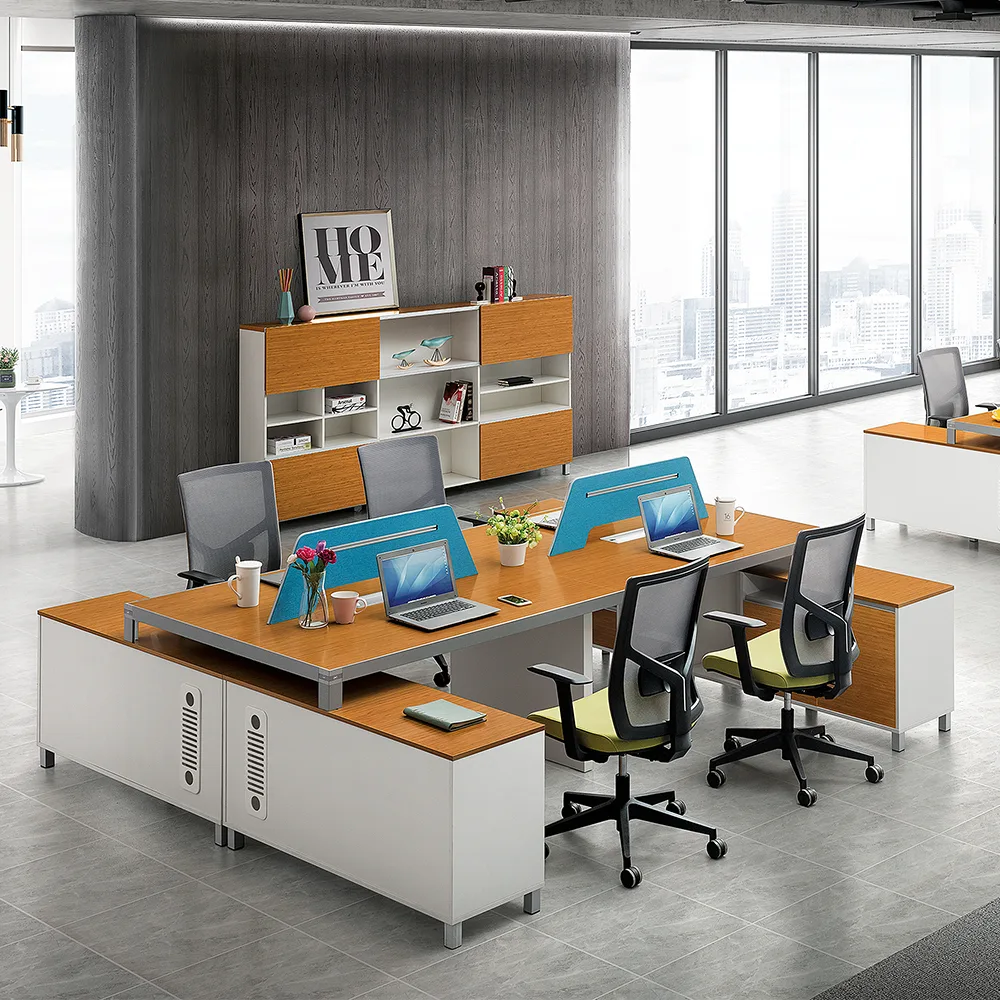
How to buy office furniture in Astana: cost per workstation, EAC documents, a 30–45 day production window and delivery — a guide from Hymebel's factory floor.
Let's discuss your project
Send your plans, measurements or drawings — we prepare a commercial proposal within 48 hours.
Get a free quote