
Solid Wood vs Veneer: Which Survives Central Asia's Climate Better?
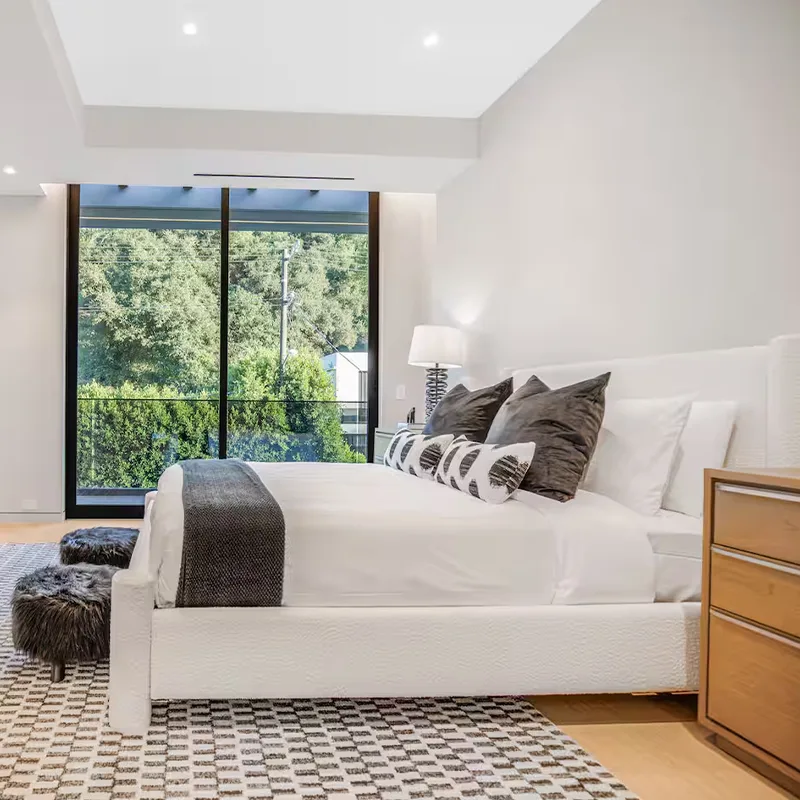
Solid wood is natural timber used in full section, while veneer is a thin slice of genuine wood pressed onto a stable engineered core. In Central Asia's dry continental climate both have a role: the question is not which material wins overall, but where each one works best.
- In a continental climate the most durable base is a solid wood frame kiln-dried to 8–10 percent moisture content.
- Solid wood serves 15–20 years, quality veneer 10–15 years, foil-coated board 3–5 years.
- The best specification is hybrid: solid frames and touch surfaces, veneer for wide panels and table tops.
- In the same design, a veneer version typically costs 30–60 percent less than all-solid wood.
- Hymebel has shipped furniture to Central Asia on exactly this principle since 1996.
Short answer: solid wood leads on durability, hybrid builds win overall
For Central Asia's continental climate, kiln-dried solid wood furniture is the more durable choice over a 10–15 year horizon — but the best-performing specification is hybrid: a solid wood frame carrying stable engineered panels finished with thick, high-grade veneer. Solid wood absorbs the daily abuse of homes and hotels; quality veneer keeps wide surfaces flat when heating seasons pull indoor humidity down to 20–25 percent.
The distinction matters because the region tests furniture harder than most markets. In Almaty and Astana, outdoor temperatures swing from roughly −25°C in January to +35°C in July, and months of radiator heating hold indoor air far below the 40–55 percent relative humidity that wood is happiest at.
Hymebel has manufactured furniture since 1996 on a 300,000 m² factory floor with more than 1,000 workers, and most of what we ship to Central Asia is exactly this hybrid: solid wood where structure and touch matter, veneer where width and stability matter. This guide explains the physics, the real numbers and how to buy accordingly.
What a continental climate actually does to wood
Wood is hygroscopic: it exchanges moisture with the air and moves across the grain as it does. In a heated apartment the air can dry to 20–25 percent humidity, so insufficiently dried timber keeps shrinking through its first two winters — panels crack, joints open and door leaves twist. Professional factories kiln-dry timber to 8–10 percent moisture content before machining, which is the level Central Asian interiors average across the year.
The failure points differ by construction. Cheap veneer is often printed paper foil on low-density board, and it lifts first at the edges where moisture enters. Real veneer is a 0.5–1 mm slice of genuine wood pressed onto a stable core; it expands and contracts far less than solid boards, which is why wide table tops and tall doors are engineered rather than cut from solid timber.
Three quick checks when comparing samples: ask for the moisture content figure (8–10 percent is the answer you want), inspect the edge banding quality on any panel product, and lift the piece — density is difficult to fake. We apply the same checks to fitted wardrobes shipped to Almaty; the construction notes in our custom wardrobe guide apply to most case goods.
Lifespan, maintenance and price compared
On service life the spread is wide. Solid wood frame furniture reliably delivers 15–20 years with basic care and often outlives its owner's taste; high-quality veneer on a stable core gives 10–15 years; foil-covered low-density board starts failing at edges and hinges within 3–5 years. In hotel FF&E projects we therefore put solid wood into frames, legs and touch surfaces, and veneer into wide panels.
Maintenance is modest for both. Solid wood wants an occasional wax or oil and reasonable indoor humidity; veneer needs only a damp cloth and protection from standing water. Price is the trade-off: an all-solid-wood piece in the same design typically costs 30–60 percent more than its veneer equivalent, while veneer delivers the same look lighter and cheaper — the reason hybrid builds dominate project budgets.
The table below summarises the comparison buyers actually ask about.
Matching material to market taste in Central Asia
Kazakh clients lean toward quiet luxury: solid wood, full-grain leather, matte finishes and earth tones. For residences in Almaty and Astana we specify oak and walnut with visible grain, because the material itself is the statement.
Uzbek clients favour a grander register: large marble-top dining tables, carved detailing, brass accents. Carving and broad surfaces are natural veneer territory — a stable engineered core takes deep relief without splitting — while legs, frames and chair structures stay solid.
Room by room, the hybrid rule holds: bed frames and chair structures in solid wood; wardrobe bodies, headboards and dining tops engineered with veneer. This is also how we keep a 30–45 day production window realistic for mixed project orders.
Send us your room list and climate questions
If you are furnishing a home, a hotel or a residential complex in Kazakhstan, Uzbekistan or wider Central Asia, send the room list and destination city to our project team. We will return a material recommendation per room, a 30–45 day production schedule and a freight plan in one response — rail reaches Tashkent in 9–10 days. WhatsApp +86 18038813653 · z@hysdfurniture.com.
Every shipment to Kazakhstan is produced against EAC TR CU 025/2011 requirements, and our references include the Hilton Tashkent delivery. With 1,000+ projects completed across 50+ countries, the material choices above are drawn from what has actually survived the region's winters.
If you would like to test the difference yourself, we can prepare paired samples — the same design in solid wood and in veneer — so you can weigh, inspect and compare before committing a full order. A sample decision deserves the same rigour as the order itself: material choices are made for 10–15 years.
| Criterion | Solid wood | Quality veneer | Foil-coated board |
|---|---|---|---|
| Service life | 15–20 years and more | 10–15 years | 3–5 years |
| Response to dry heated air | Stable if kiln-dried to 8–10% moisture; otherwise cracks | Stays flat on a stable core | Edges lift first |
| Surface repair | Sandable and refinishable | Light repair; re-lamination is difficult | Not repairable |
| Weight | Heavy | Medium-light | Light |
| Price level | Highest (30–60% above veneer) | Mid | Lowest |
| Best use | Frames, legs, touch surfaces | Wide panels, tops, tall doors | Temporary, budget fit-outs |
Frequently asked questions
Which is better for Central Asia, solid wood or veneer?
The most durable choice is kiln-dried solid wood, which serves 15–20 years with proper care. However, on wide surfaces veneer on a stable core holds flatness better, so the best result comes from a hybrid build: solid frames with quality veneer panels.
Will solid wood furniture crack in a heated apartment?
Not if it is properly prepared. Professional factories kiln-dry timber to 8–10 percent moisture content before machining, matching the annual equilibrium inside heated interiors. Timber that has not reached this level will keep shrinking through its first winter and may crack or warp.
Is veneer real wood or just a coating?
Quality veneer is real wood: a natural layer 0.5–1 mm thick with genuine grain and warmth, pressed onto a stable core. Do not confuse it with foil or paper-based printed surfaces — those appear on cheap board products and lift at the edges within a few years.
How do I maintain solid wood versus veneer furniture?
Solid wood needs wax or oil once or twice a year and indoor humidity kept above roughly 30 percent. Veneer needs only wiping with a damp cloth and protection from standing water and direct heat sources. Followed together, these habits keep either surface clean well past ten years.
More articles
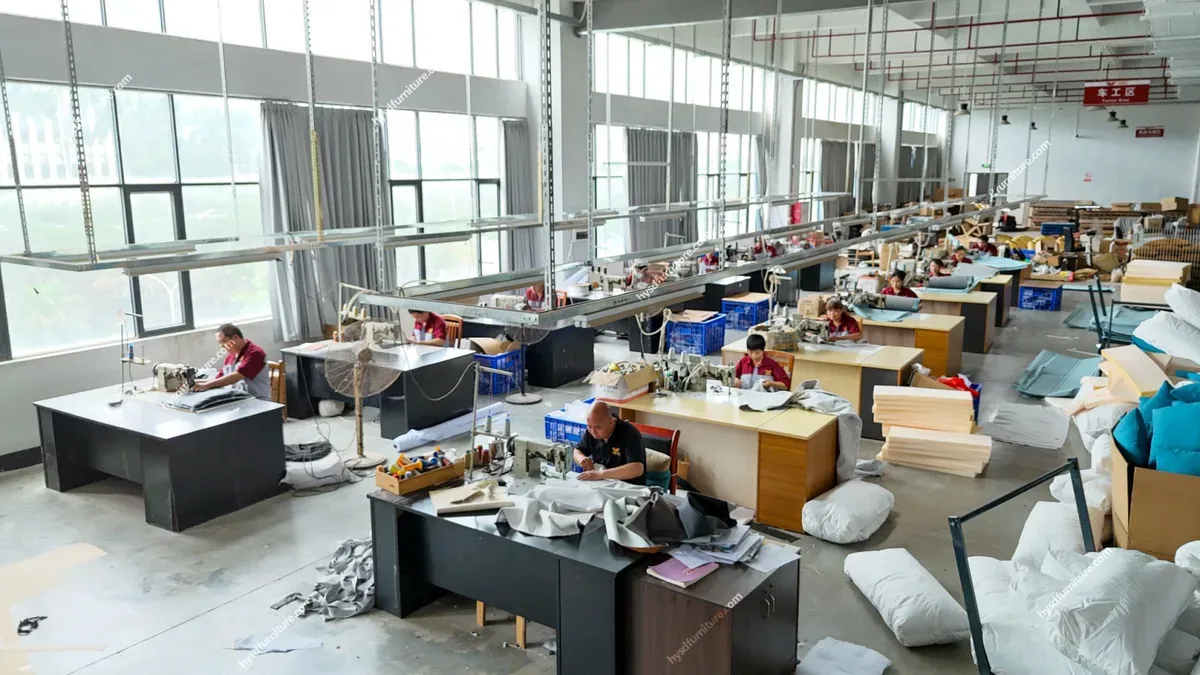
How MOQ forms at a Chinese furniture factory, what drives the unit price, and how rail and sea freight shape landed cost — a plain guide for importers.
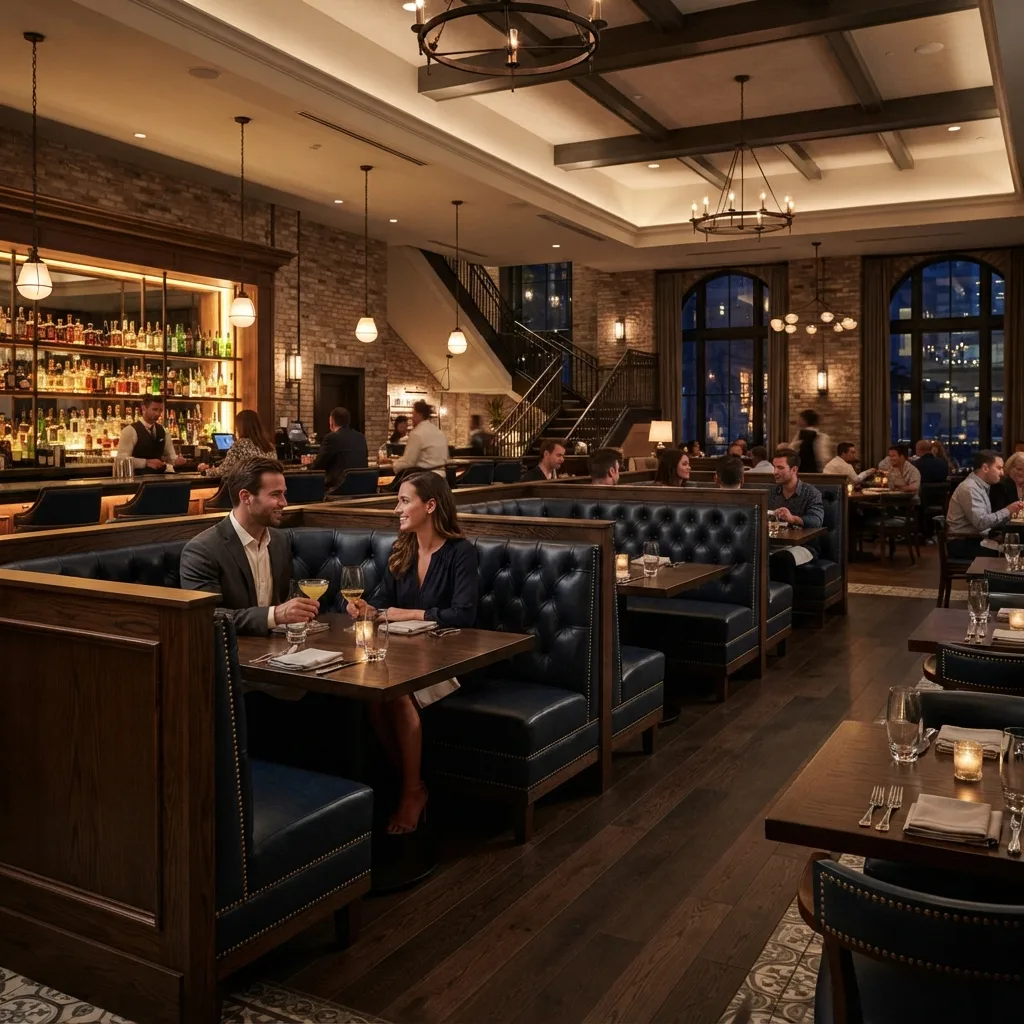
Hotel lobby trends for 2026: statement marble and wood pieces, contract-grade durability and the Kazakhstan–Uzbekistan taste divide — a review by Hymebel.
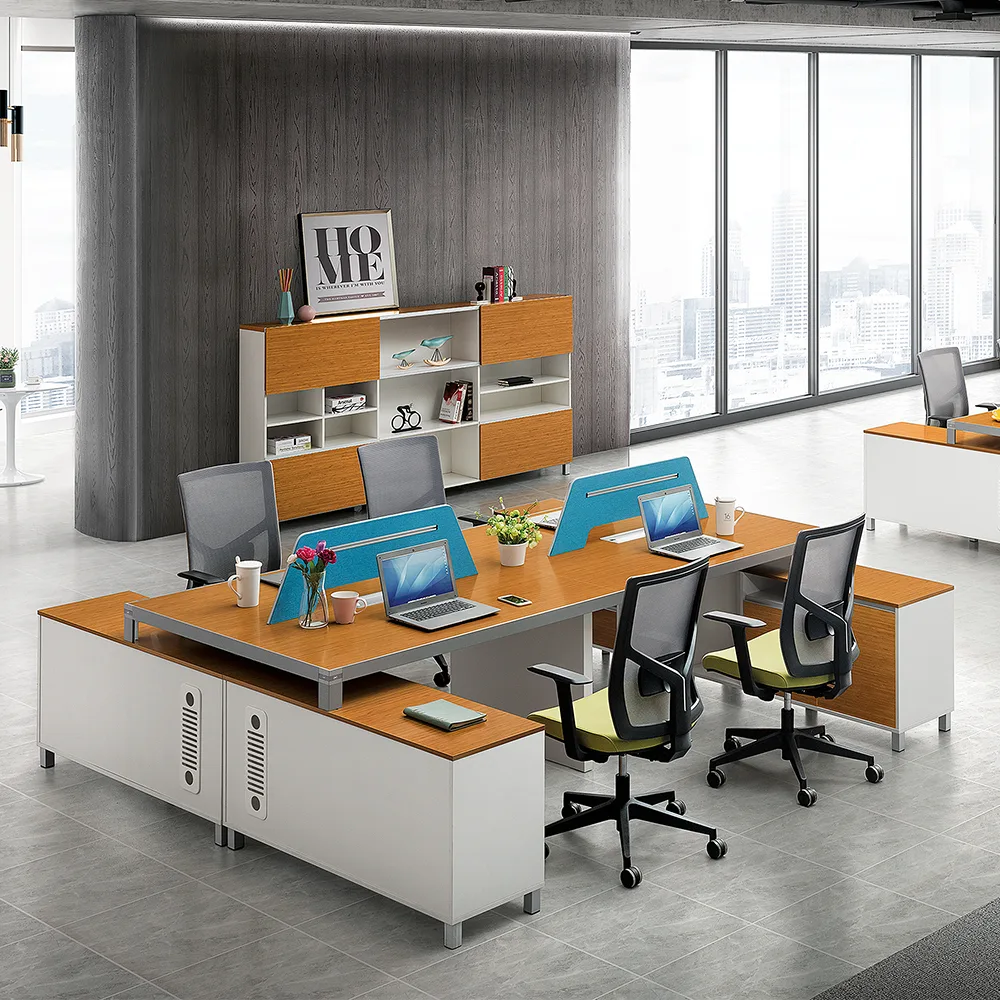
How to buy office furniture in Astana: cost per workstation, EAC documents, a 30–45 day production window and delivery — a guide from Hymebel's factory floor.
Let's discuss your project
Send your plans, measurements or drawings — we prepare a commercial proposal within 48 hours.
Get a free quote