
Importing Furniture from China: MOQ and Price Guide for Importers
MOQ (minimum order quantity) is the smallest volume a factory will accept in one order — not an arbitrary rule, but a function of production batching and container economics. This guide explains MOQ logic, price structure, freight costs, payment terms and pre-shipment inspection from the perspective of Central Asian importers.
- MOQ follows production batching: mixed orders start from one 40-foot container (roughly 50–60 m³), single models from 10–50 pieces.
- Hardware and finish swing unit price by 15–30 percent; volume steps from sample to container quantity cut 10–25 percent.
- Freight is typically 15–30 percent of landed cost; rail runs 9–10 days to Tashkent.
- Standard payment is a 30 percent deposit with 70 percent before shipment; letters of credit for larger contracts.
- Hymebel has shipped 1,000+ projects across 50+ countries since 1996.
Short answer: MOQ follows container economics, not policy
For Central Asian buyers, MOQ at a Chinese furniture factory is set by container economics and production batching, not by an arbitrary rule. In practice a mixed order starts from one 40-foot high-cube container (roughly 50–60 m³ of packed furniture), while the MOQ for a single model typically ranges from 10 to 50 pieces depending on size and finish complexity.
Project business works differently: FF&E orders are quoted against a bill of quantities, where the real minimum is a project value threshold rather than per-item counts. That is why a 120-room hotel and a 15-item apartment order can both be viable. Distributors, hotels and contractors each meet the MOQ differently, and the difference is mostly container arithmetic: the box has to be filled, and the factory has to keep its lines running in batches.
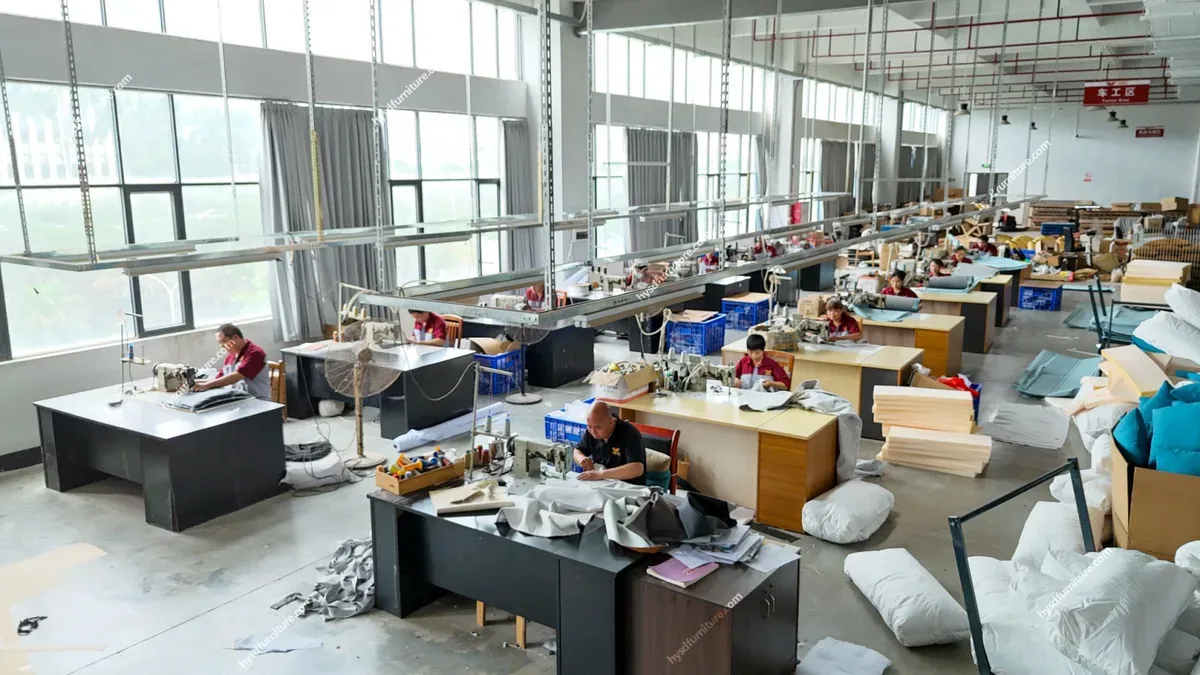
Hymebel has shipped furniture from its 300,000 m² factory to 50+ countries since 1996, with 1,000+ workers on the floor and 1,000+ completed projects on record. This guide explains how MOQ and pricing actually form, what moves the unit price, and how freight, payment and inspection fit together for Central Asian importers.
How MOQ actually works in production
Behind every per-model minimum stands production logic: finishing lines run in batches, edge banding and hardware are purchased in bulk, and packaging dies and carton blanks must be prepared. An order below that threshold breaks line efficiency, which is why the factory answers it with refusal rather than a surcharge. The standard workaround is mixing models inside one container: a single 40-foot box can carry dozens of positions.
For distributors the practical route is building a mixed assortment of several models per container. Repeat orders carry lower MOQs because packaging and tooling already exist: known models can run from as few as 5–20 pieces. Ask your supplier to name the repeat-order minimum per model in writing at the first quotation, so your second container is planned from real numbers.
Project FF&E orders are BOQ-driven: the room list is fixed against approved samples and scheduled into a 30–45 day production window. Do not ask for per-item MOQs here — the questions that matter are the value threshold and schedule fit.
What moves the unit price
Material moves price hardest: frame material (solid wood versus engineered panel), upholstery grade, hardware — hinges, slides, mechanisms — and finish complexity. Hardware and finish alone can swing unit price by 15–30 percent, which is why the specification must be frozen precisely at quotation stage.
Volume steps work reliably: moving from sample quantity to container quantity typically reduces unit price by 10–25 percent. The second factor is compliance: shipments to Kazakhstan require EAC TR CU 025/2011 documentation, whose cost is marginal per unit at container volumes. Ask for a tiered quotation instead of a single figure: it keeps later negotiations factual and shows where the discount actually comes from.
The table below shows how landed cost breaks down.
Freight cost structure: sea and rail
Landed cost stacks in layers: the factory price, inland haulage inside China, international freight (rail or sea), insurance, customs duties and VAT in the destination country, and the last mile. Depending on route and season, international freight typically takes 15–30 percent of landed cost.
For Central Asia rail is the primary option: cargo reaches Tashkent from China in 9–10 days, which makes it easier to sync freight rhythm with project schedules. Sea routes are cheaper per cubic metre on some lanes but significantly slower. For Kazakhstan, EAC documents must be ready before the container is loaded. For a full read on the route choice, see our rail delivery to Tashkent write-up.
Plan the total timeline together: 30–45 days of production, transit time and customs clearance. Placing orders before seasonal peaks in freight rates also steadies the last mile — freight pricing swings noticeably through the year. Build the calendar backwards from the installation date: production first, then transit, then clearance, then the last mile on site.
Payment, inspection and how to start
Standard payment is simple: a 30 percent deposit against the contract and the remaining 70 percent before shipment; letters of credit apply to larger contract volumes. Write every condition into the contract before production starts — specification, production schedule and conformity documents alike. Suppliers with long export records accept these terms as routine; unusual requests deserve a written rationale.
Inspection is about trust, not cargo value: pre-shipment inspection and container loading supervision run with photo and video records, and every carton is checked against the packing list. Exactly this discipline carried our Hilton Tashkent delivery. Start by sending your bill of quantities or room list to our project team — we return the quotation, the MOQ structure and the freight plan in one response.
Contact: WhatsApp +86 18038813653 · z@hysdfurniture.com. Send the room list, destination city and timeline — the quotation comes back together with the production schedule.
| Cost component | What it covers | Typical share |
|---|---|---|
| Factory price | Materials, labour, hardware, finish, packaging | 70–85 percent of landed cost |
| Inland haulage in China | From factory to port or rail terminal | 1–3 percent |
| International freight | Rail (9–10 days to Tashkent) or sea shipment | 10–25 percent |
| Insurance | Coverage against cargo value | 1–2 percent |
| Customs duties and VAT | Destination country tariffs and tax | Varies by country |
| Last mile | Pickup, haulage and delivery to site | Depends on project volume |
Frequently asked questions
What is a typical MOQ at a Chinese furniture factory?
In practice a mixed order starts from one 40-foot container (about 50–60 m³ of packed furniture), with single-model MOQs of 10–50 pieces. On repeat orders, where packaging and tooling already exist, known models can run from as few as 5–20 pieces.
What affects the unit price most?
Frame material, upholstery grade, hardware and finish complexity — hardware and finish alone can move the price by 15–30 percent. Volume matters too: stepping from sample quantity to container quantity typically cuts the unit price by 10–25 percent. Always compare prices on an identical specification, or the difference is not a saving.
How long does delivery to Tashkent take?
Production typically takes 30–45 days, rail transit from China to Tashkent runs 9–10 days, and customs clearance adds a few days. Overall, plan 45–60 days from order placement to site delivery. Place orders before seasonal freight peaks, and keep a buffer week in the project calendar for clearance and final delivery.
What payment terms are standard with Chinese suppliers?
The most common scheme is a 30 percent deposit against the contract and the remaining 70 percent before shipment. Letters of credit can apply to larger contract volumes. Write all payment milestones and conformity documents into the contract before production starts.
More articles
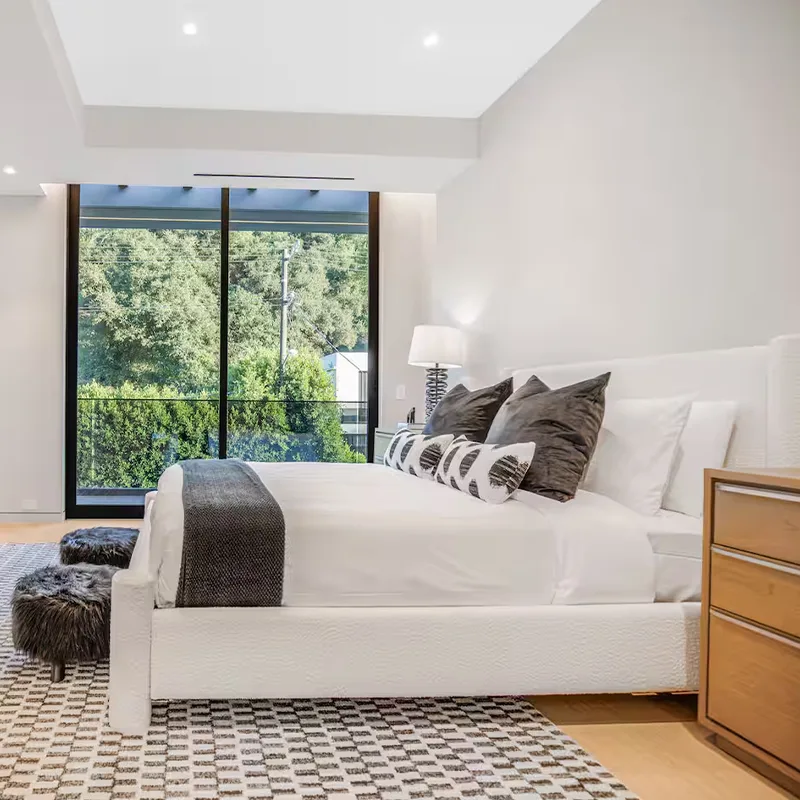
Solid wood or veneer for Central Asia's dry continental climate? Lifespan, maintenance and price compared, plus the hybrid build we recommend.
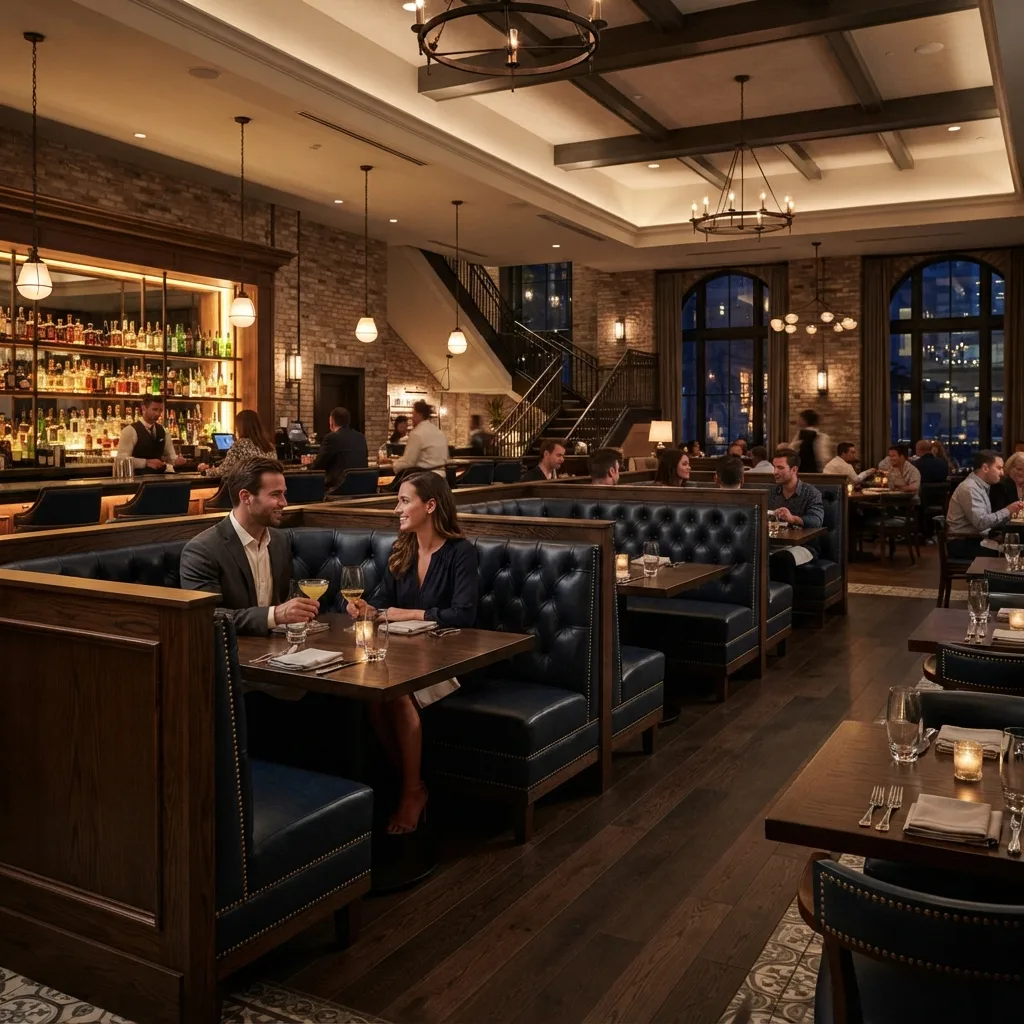
Hotel lobby trends for 2026: statement marble and wood pieces, contract-grade durability and the Kazakhstan–Uzbekistan taste divide — a review by Hymebel.
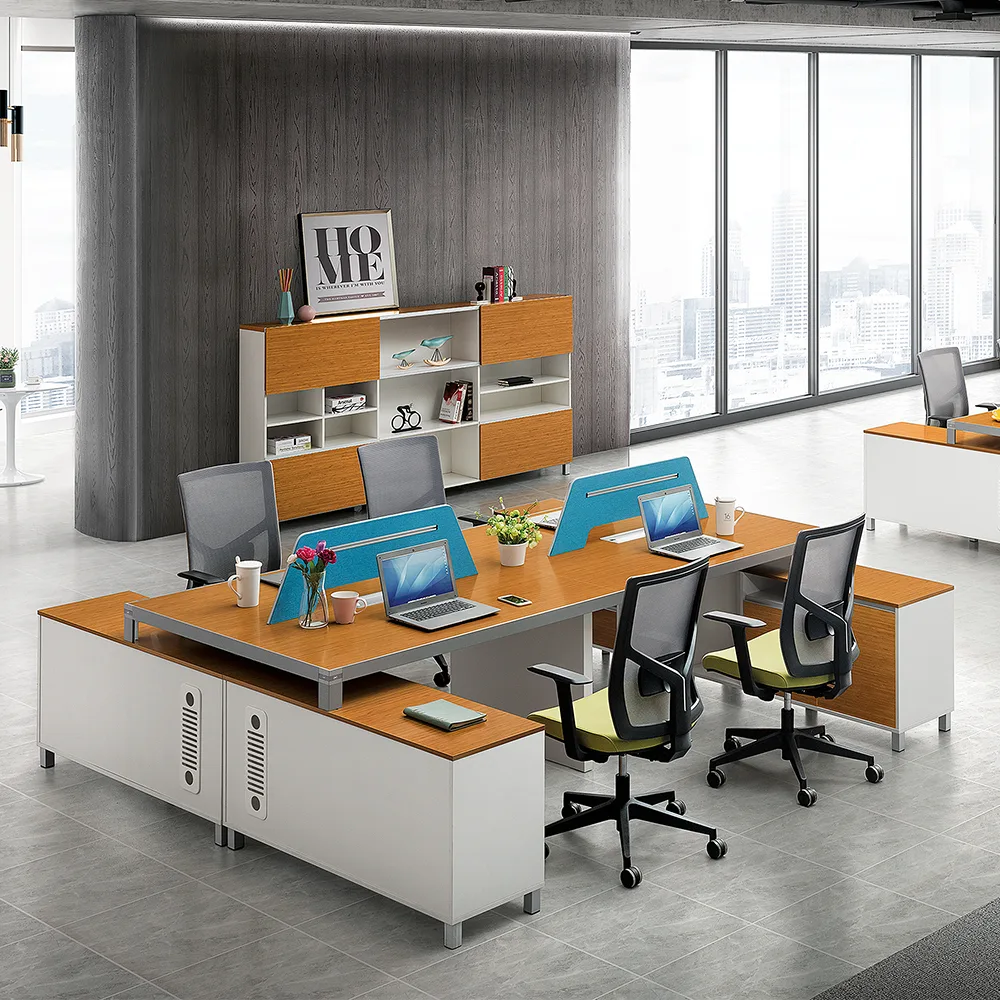
How to buy office furniture in Astana: cost per workstation, EAC documents, a 30–45 day production window and delivery — a guide from Hymebel's factory floor.
Let's discuss your project
Send your plans, measurements or drawings — we prepare a commercial proposal within 48 hours.
Get a free quote