
Hotel FF&E Procurement Timeline: Why 12 Months Saves Cost
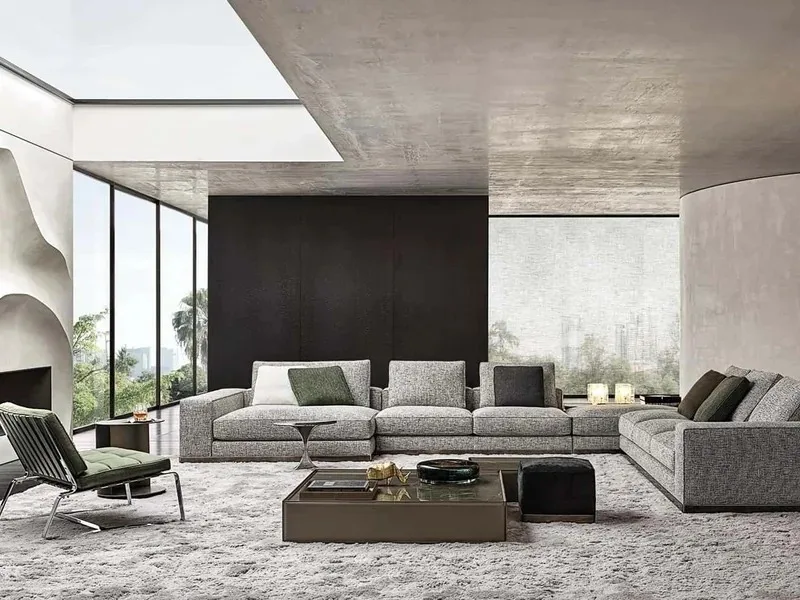
Hotel FF&E procurement runs on a fixed timeline: design freeze, sampling, production and installation each have set durations. The core rule is simple: the earlier FF&E starts, the cheaper it is — an ideal runway is 12 months before opening.
- The ideal FF&E runway is 12 months before opening; every month of delay removes cheaper options from the table.
- Design freeze is the anchor: anything that changes after approval multiplies volume-ordered material cost.
- Batch production takes 30–45 days; rail freight to Tashkent runs 9–10 days, TIR trucking 5–7 days.
- The signed sample is the contract standard for color, finish and quality — never rush that stage.
- Installation is the last 10% that decides the opening date: numbered cartons and trained crews close the job on time.
Months 1–2: design freeze and specification
Everything downstream depends on a frozen design. In the first two months the project team fixes the room list, furniture layouts, finish palette and brand standards. Every item that later changes after sample approval multiplies cost, because materials are ordered in volume against the frozen specification.
Specification is where money is saved, not spent. Choosing standard sheet sizes, rationalizing veneer cuts and agreeing on hardware early reduces waste in production. A factory that sees drawings at month one can flag these savings before they are locked out — which is exactly why starting 12 months out pays for itself.
A useful discipline in this phase is the room-type matrix: rather than specifying 200 rooms individually, define four or five room types and attach a bill of quantities to each. Volume concentrates where it should, samples represent real production, and later changes are contained to a single type instead of rippling through the whole property. Projects that skip this matrix pay for it in both sampling time and per-room cost.
Context helps here: Hymebel has manufactured hotel furniture since 1996 on a 300,000 m² own factory campus, so the calendar above is not theory — it is the cadence our project teams run every season.
Months 3–4: sampling and approval
Sampling converts drawings into decisions. A prototype room — or at minimum full-size samples of the bed, desk, wardrobe and headboard — is produced, reviewed and signed off. Expect one or two rounds; both sides should time-box them rather than let them drift.
The signed sample becomes the contract standard for color, finish and quality, which is why both parties sign it physically. Skipping or rushing this stage is the single most common cause of disputes at installation — a lesson every experienced hotel project team has paid for once.
Sampling is also where logistics is designed. The approved sample determines carton sizes, and carton sizes determine how many rooms fit in one container — a number that decides freight cost for the entire project. Buyers who treat sampling purely as an aesthetic exercise discover later that a three-centimeter desk overhang, multiplied across 200 rooms, is a whole extra container.
Why do late FF&E orders cost more?
Because late orders buy urgency, not furniture. A project that enters production in peak season pays queue premiums and expedited freight; a project that starts 12 months out negotiates from a position of calendar strength. The core answer of this guide: the earlier FF&E starts, the cheaper it is — ideally 12 months before opening.
A late start also removes options. Custom finishes, batch splitting and phased deliveries all require room in the factory calendar. Once the calendar is full, the only variables left are price and risk — and both move against the buyer.
There is also a reputational dimension. Operators remember which projects opened on time, and a developer's next financing depends on that record. Treating the FF&E calendar with the same seriousness as structural milestones is how hotel groups keep both banks and brands confident through a build.
Months 5–8: production and quality control
A hotel batch typically takes 30–45 days of production depending on scope. Quality control runs inline, not at the end: veneer matching, hardware torque and finish checks happen at each stage, with photo reports sent to the buyer's team.
For large properties, production is split into batches aligned with floor readiness, so furniture arrives as rooms are prepared. This is exactly how we structured the Hilton Tashkent delivery, where installation windows were fixed by the operator and could not move.
Buyer presence in this phase is proportionate, not constant: a mid-production inspection at the factory and a pre-shipment inspection before packing close most risks. Between those two points, weekly photo reporting keeps the buyer's team informed without slowing the line. This rhythm is how the Hilton Tashkent delivery ran, and it scales from 100 rooms to 500. A finished hotel furniture batch leaves the line only after these checks pass.
Months 9–12: shipping, customs and installation
Freight from China to Central Asia is a defined corridor: rail to Tashkent in 9–10 days or TIR trucking in 5–7 days. Customs paperwork, including EAC conformity for Kazakhstan-bound goods, should be prepared before loading, not after arrival.
Installation is the last 10 percent that feels like half the project. Trained assembly crews, numbered cartons matched to room numbers and a punch-list process close the job on time. Build installation buffer into month 12 — openings never move, furniture plans do.
One final habit protects the whole plan: a joint site-readiness review before the first container ships. Floors, power, lifts and storage space are confirmed against the delivery schedule in writing, and responsibilities for offloading are agreed. Furniture that arrives to a prepared building is an installation; furniture that arrives to a question mark is a storage problem.
Every schedule in this guide is a deliverable we maintain weekly for projects in the region: production windows, rail and TIR departures, installation crews. Send your opening date and room count to our project team on WhatsApp +86 18038813653 or z@hysdfurniture.com, and we will return a month-by-month plan built around your calendar.
| Phase | Timing | Key actions | Risk if delayed |
|---|---|---|---|
| Design freeze | Months 1–2 | Room list, layouts, finishes approved | Every later change multiplies cost |
| Sampling | Months 3–4 | Prototype room or sample pieces signed off | Production starts on unapproved design |
| Production | Months 5–8 (30–45 days per batch) | Batch manufacturing, inline quality control | Peak-season queue, premium pricing |
| Logistics | Months 9–10 | Rail to Tashkent 9–10 days / TIR 5–7 days, customs | Air freight or a delayed opening |
| Installation | Months 11–12 | Site delivery, assembly, punch list | Opening date at risk |
Frequently asked questions
When should FF&E procurement start?
Ideally 12 months before opening. The earlier you start, the wider your factory calendar, pricing and freight options; a late project effectively pays for urgency rather than furniture.
What takes longest in an FF&E project?
Usually the sampling rounds and the production queue. One batch takes 30–45 days of production; if sample decisions drift, the whole schedule shifts — which is why the sampling window should be strictly time-boxed.
How is FF&E shipped to Central Asia?
Rail from China reaches Tashkent in 9–10 days, TIR trucking in 5–7 days. Kazakhstan-bound shipments need EAC conformity documents cleared before customs — the paperwork should arrive together with the cargo.
Can production be split into batches?
Yes — in large hotels, batches are aligned with floor readiness so furniture arrives as rooms are prepared. This reduces pressure on site and is exactly how we delivered the Hilton Tashkent project.
More articles
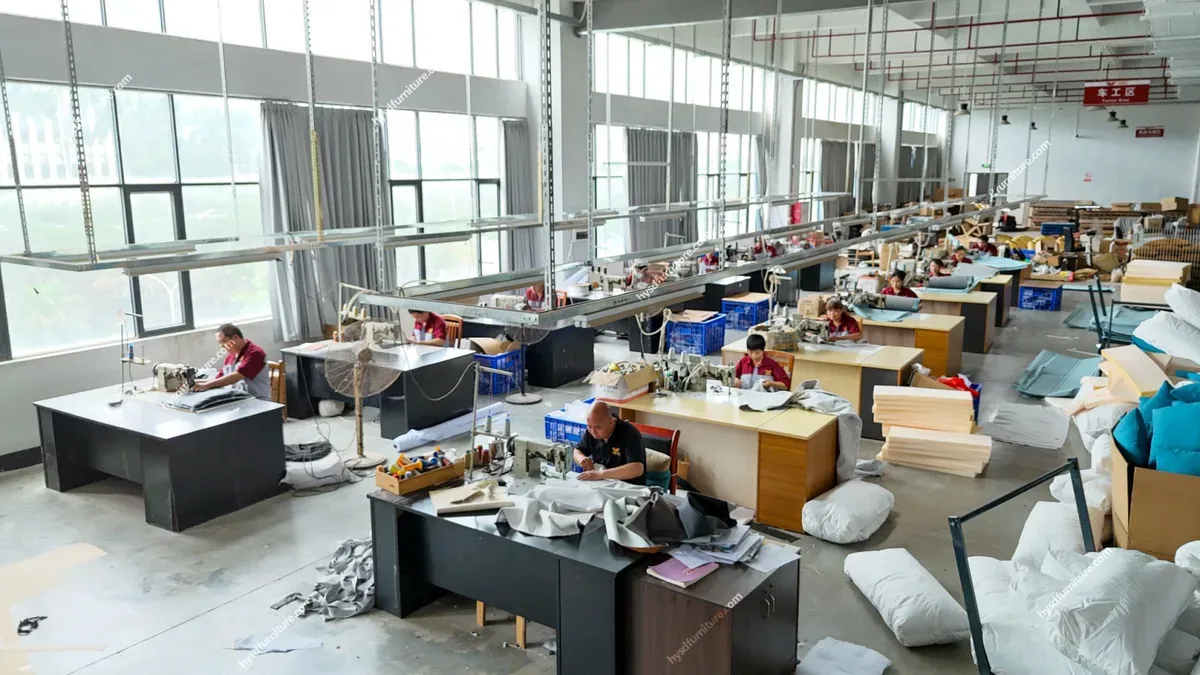
How MOQ forms at a Chinese furniture factory, what drives the unit price, and how rail and sea freight shape landed cost — a plain guide for importers.
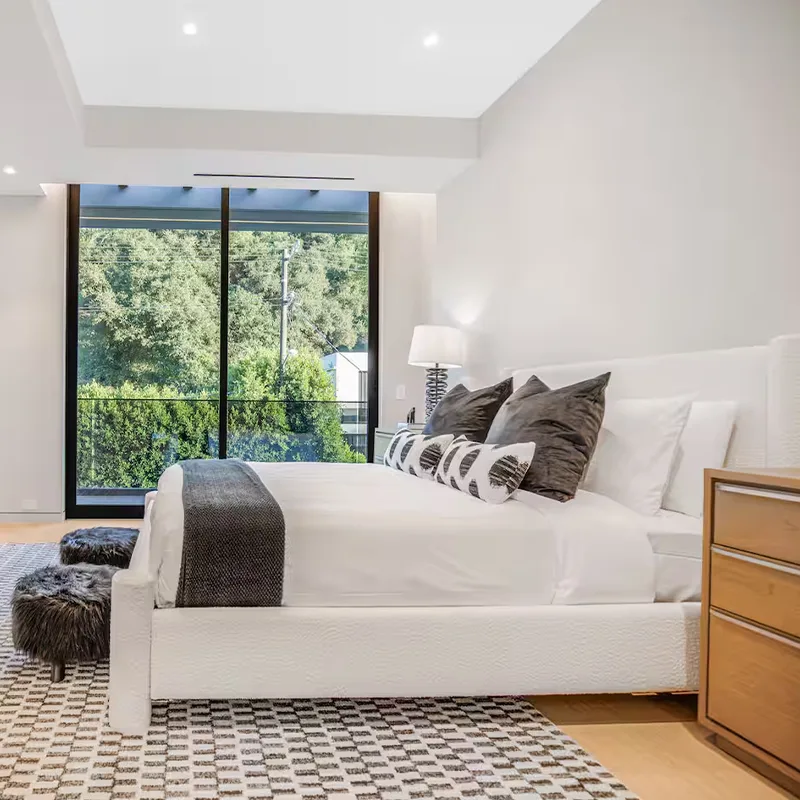
Solid wood or veneer for Central Asia's dry continental climate? Lifespan, maintenance and price compared, plus the hybrid build we recommend.
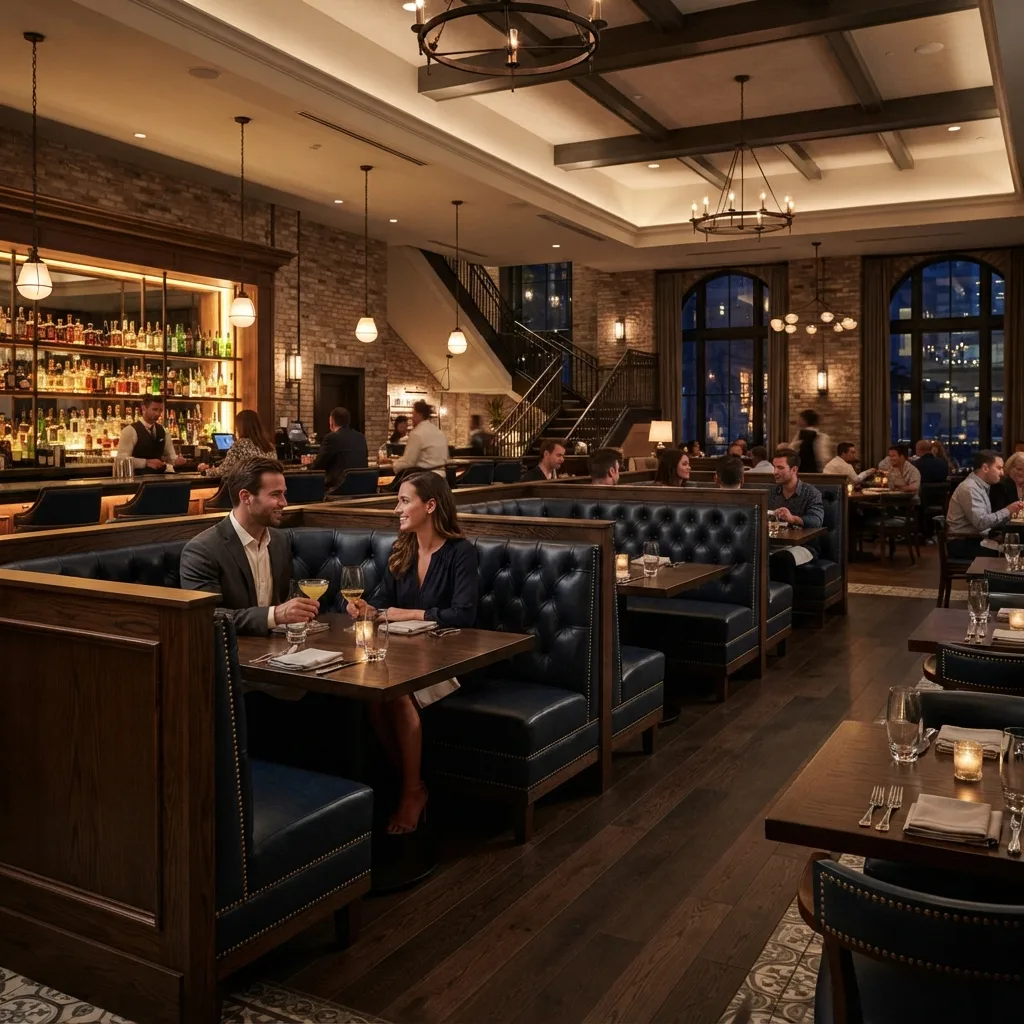
Hotel lobby trends for 2026: statement marble and wood pieces, contract-grade durability and the Kazakhstan–Uzbekistan taste divide — a review by Hymebel.
Let's discuss your project
Send your plans, measurements or drawings — we prepare a commercial proposal within 48 hours.
Get a free quote